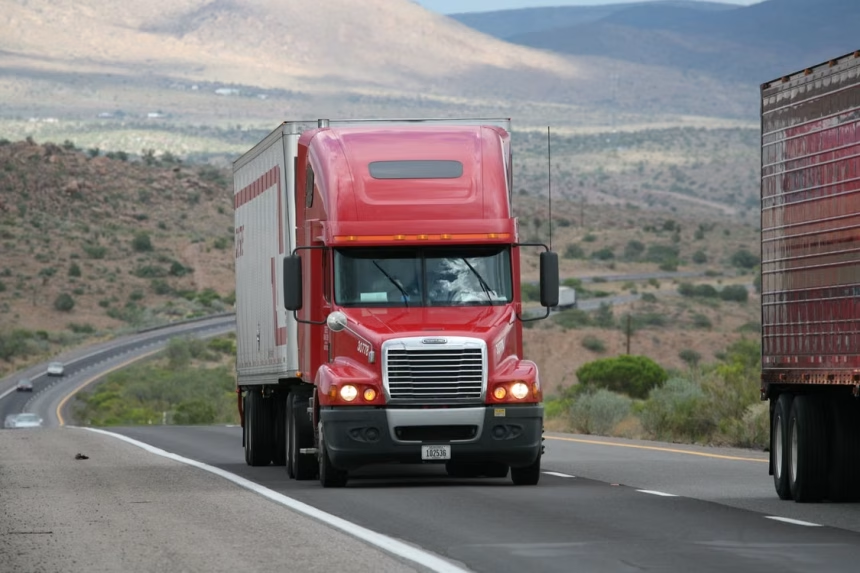
After a serious crash involving a commercial truck, most people aren’t sure what to call the professional they need — a “lawyer,” an “attorney,” or something more specialized. The terms are used interchangeably in everyday conversation, and whether you search for a truck accident attorney or a lawyer truck accident case requires, you’re looking for the same thing: a legal professional who understands how commercial trucking claims work and who can fight for fair compensation on your behalf.
Attorney vs. Lawyer: Is There a Difference?
Not a meaningful one for your purposes. “Lawyer” is the general term for anyone licensed to practice law. “Attorney” technically refers to someone authorized to act on a client’s behalf in legal matters. In practice, when firms advertise as an attorney truck accident specialist or an attorney lawyer truck accident practice, they mean the same thing: a licensed personal injury professional who focuses specifically on cases involving commercial trucks, tractor-trailers, delivery vehicles, and other large commercial vehicles.
What actually matters isn’t the word on the business card — it’s whether that person has real experience handling trucking cases specifically, since these claims work differently than a standard two-car collision.
Why Trucking Cases Need Specialized Legal Knowledge
Commercial trucks operate under a web of federal and state regulations that don’t apply to ordinary drivers. The Federal Motor Carrier Safety Administration sets rules for how many hours a driver can be on the road, how trucks must be maintained and inspected, how cargo must be secured, and what qualifications a driver must hold. When a truck accident attorney investigates a crash, they’re not just asking “who ran the red light.” They’re asking:
- Was the driver in compliance with FMCSA hours-of-service rules, or were they fatigued from driving beyond legal limits?
- Does the truck’s maintenance record show known defects that were ignored?
- Was the trailer loaded and secured properly?
- Does the driver’s qualification file show a pattern of violations?
- What does the truck’s electronic logging device and black box data show about speed, braking, and events leading up to the crash?
This kind of investigation requires knowing exactly what records exist, how to legally obtain them, and how quickly they need to be requested before a trucking company can claim the records were “routinely” destroyed.
Finding Truck Accident Attorneys Near You
When comparing local truck accident attorneys near me, a short list of questions can quickly separate a firm that’s genuinely equipped to handle your case from one that isn’t:
- How many trucking cases have you handled in the past year?
- Do you send an investigator or reconstruction expert to the scene?
- Have you gone up against the specific trucking company or insurer involved in my crash before?
- What is your process for identifying every party who might share liability?
- Is the initial consultation free, and do you work on contingency?
A firm that answers these questions with specific, confident detail — rather than vague reassurances — is generally a better sign than a firm’s advertising alone.
The Process: What Happens After You Hire a Truck Accident Attorney
Initial consultation. You’ll walk through what happened, your injuries, and any documentation you already have. This is also your chance to evaluate the attorney.
Investigation. The attorney’s team gathers police reports, medical records, driver logs, black box data, maintenance records, and witness statements. In serious cases, they may hire an accident reconstruction expert.
Identifying all liable parties. A crash might involve the driver, the trucking company, a leasing company that owns the trailer, a maintenance contractor, or even a parts manufacturer. Each of these may carry separate insurance, and identifying all of them can significantly increase the total compensation available.
Demand and negotiation. Once the investigation is complete and your medical treatment has progressed enough to understand the full scope of your injuries, the attorney sends a demand package to the insurer, laying out liability and damages, and negotiates from there.
Litigation, if needed. If the insurer won’t offer a fair settlement, the case can proceed to a lawsuit. Most cases still settle before trial, but a lawyer’s willingness to actually litigate is often what pushes an insurer toward a fair number.
What Compensation Can Cover
A well-built truck accident claim typically accounts for:
- Emergency and ongoing medical treatment
- Future medical care, especially for long-term or permanent injuries
- Lost wages and lost future earning capacity
- Property damage to your vehicle
- Pain, suffering, and diminished quality of life
- In wrongful death cases, funeral costs and loss of companionship for surviving family members
Insurance companies frequently offer an early settlement that covers only the bills already incurred, without accounting for future treatment or long-term impact. This is one of the main reasons people search for an attorney rather than negotiating directly — a lawyer’s job includes making sure the number reflects the whole picture, not just what’s happened so far.
Timing Matters
Every state has a statute of limitations — a legal deadline for filing a truck accident claim — and waiting too long can permanently forfeit your right to compensation, regardless of how strong the case is. Beyond the legal deadline, practical evidence like black box data and dashcam footage can be overwritten or deleted within days or weeks if a lawyer doesn’t send a formal preservation request quickly. If you’ve been in a truck accident, reaching out to an attorney sooner rather than later protects both your legal rights and the evidence your case may depend on.
A Free Conversation Costs Nothing
Most truck accident attorneys offer a free initial consultation and work on a contingency fee basis, meaning they’re only paid if they recover money for you. There’s little downside to having an experienced attorney review your case, even if you’re not sure yet whether you want to pursue a claim.