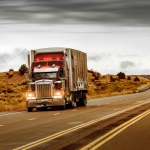
Arizona’s position along major east-west and north-south freight routes — including I-10, I-40, and I-17 — makes it an important corridor for long-haul trucking moving between California, Texas, and the rest of the country. The state’s long stretches of desert highway, extreme summer heat, and occasional severe weather events like dust storms create distinct trucking hazards, and finding Arizona truck accident lawyers who understand these conditions can make a real difference in your case.
Why Arizona Trucking Cases Work Differently
Pure comparative negligence. Arizona follows a pure comparative negligence rule, meaning you can recover compensation even if you’re found mostly at fault for a crash — your compensation is simply reduced by your percentage of responsibility, no matter how high that percentage is.
A two-year statute of limitations generally applies to personal injury claims in Arizona, making early legal action important to preserve your right to file.
Desert-specific hazards play a meaningful role in many Arizona trucking cases, including extreme summer heat affecting tire integrity and driver fatigue, and sudden dust storms (“haboobs”) that can reduce visibility to near zero with little warning, particularly along I-10 between Phoenix and Tucson.
Major Arizona Freight Corridors and Accident Hotspots
- I-10, running from California through Phoenix and Tucson toward Texas, one of the busiest long-haul freight corridors in the Southwest and prone to dust storm-related crashes
- I-40, a major east-west route through Flagstaff, carrying heavy long-haul trucking traffic
- I-17, connecting Phoenix to Flagstaff, with significant elevation changes that affect braking and vehicle control
- The Phoenix and Tucson metro areas, where dense urban freeway traffic combines with long-haul trucking passing through
What an Arizona Truck Accident Lawyer Investigates
- Compliance with federal hours-of-service and maintenance regulations
- Whether extreme heat or a dust storm event contributed to the crash, and whether the driver responded appropriately to those conditions
- The trucking company’s safety record with the Federal Motor Carrier Safety Administration
- Electronic logging device (ELD) data and dashcam footage
- Whether multiple parties — the driver, the trucking company, a cargo loader, a maintenance contractor — share liability
Building a Strong Claim in Arizona
Because Arizona’s desert highway conditions create accident patterns distinct from other states — particularly dust storm-related pileups and heat-related mechanical failures — an attorney familiar with these specific hazards can more effectively investigate whether a driver failed to adjust appropriately for conditions, which is often central to establishing negligence in these cases.
What to Do After a Truck Accident in Arizona
- Call 911 and get medical attention.
- Document the scene, including the truck’s company name, DOT number, and license plate.
- Get witness contact information.
- Avoid giving a recorded statement to the trucking company’s insurer before consulting a lawyer.
- Contact an Arizona truck accident lawyer as soon as possible, given the state’s two-year filing deadline.
What This Costs
Most Arizona truck accident lawyers offer a free consultation and work on a contingency fee basis, meaning there’s no upfront cost, and the attorney is only paid if they recover compensation on your behalf.
Getting Started
If you’ve been injured in a truck accident anywhere in Arizona — from the I-10 corridor to the Phoenix and Tucson metro areas — a free consultation with an experienced Arizona truck accident lawyer is the best way to understand your options.