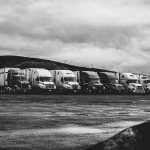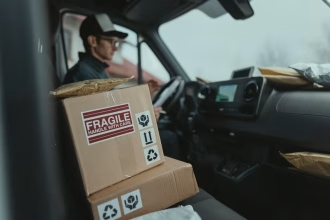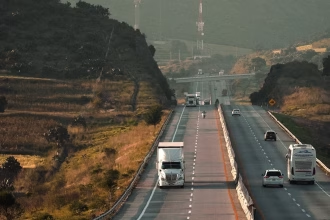
Commercial truck” covers a wide range of vehicles — box trucks, tractor-trailers, delivery trucks, dump trucks, tankers, and more — but what they share is that they’re operated as part of a business, not by an individual driving their own personal vehicle. That distinction matters enormously in a crash, because it means a company, not just a driver, may share legal responsibility. A commercial truck crash attorney who understands how company liability works is essential to building a claim that reflects the full scope of what happened.
Why “Commercial” Changes the Legal Picture
When a private individual causes a car accident, liability is usually straightforward — it falls on the driver, and their personal auto insurance covers the claim up to policy limits. Commercial trucking crashes work differently. A commercial truck crash attorney typically has to examine:
- The employment relationship. Was the driver an employee of the company, or an independent contractor? This affects which entities can be held liable under the legal doctrine of vicarious liability.
- Company policies and practices. Did the company have safety policies in place, and did it enforce them? A pattern of ignoring safety violations can expose the company to direct liability, separate from the driver’s own negligence.
- Insurance layers. Commercial vehicles typically carry far higher liability insurance limits than personal auto policies — often in the millions of dollars — precisely because of the greater damage these vehicles can cause.
- Vicarious liability. Under this legal principle, an employer can be held responsible for the negligent acts of an employee performed within the scope of their job, meaning the trucking company itself can be a defendant, not just the driver.
What a Commercial Truck Crash Attorney Investigates
A thorough investigation typically digs into:
- The driver’s qualification file, training records, and history of prior violations
- Whether the company conducted proper background checks before hiring
- Maintenance and inspection logs for the specific vehicle involved
- The company’s overall safety rating with the Federal Motor Carrier Safety Administration
- Whether dispatch pressure or unrealistic delivery schedules contributed to driver fatigue or rule violations
- Cargo loading practices, if applicable to the type of commercial vehicle involved
This investigation often reveals that a crash wasn’t simply the result of one driver’s mistake, but part of a broader pattern of a company cutting corners on safety to save time or money.
Types of Commercial Trucks Involved in These Cases
A commercial truck crash attorney handles cases involving a wide range of vehicle types, including tractor-trailers and 18-wheelers, box trucks and moving trucks, delivery vans and trucks, dump trucks and construction vehicles, tanker trucks carrying liquid or hazardous cargo, and flatbed trucks. Each vehicle type carries its own risk factors — a tanker truck crash may raise concerns about hazardous material spills, while a dump truck’s raised bed can create rollover risks that a passenger car crash simply doesn’t present. An attorney familiar with the specific type of vehicle involved in your crash will know which regulations and safety standards apply.
Building a Commercial Truck Crash Claim
- Rapid evidence preservation. A formal letter demanding the company retain electronic logs, dashcam footage, and maintenance records, sent as early as possible after the crash.
- Full liability investigation, identifying every party that may share responsibility, including the driver, the company, and any third-party contractors involved in maintenance or cargo loading.
- Damage documentation, working with medical providers to establish both current and future costs associated with your injuries.
- Negotiation, presenting a demand package supported by evidence to the insurance company or companies involved.
- Litigation, when necessary, if the insurer refuses to offer fair compensation.
Choosing a Commercial Truck Crash Attorney
When evaluating firms, ask specifically about their experience with commercial — not just personal-vehicle — trucking cases: Have you handled cases involving employer/company liability specifically? What is your experience negotiating with commercial trucking insurers, which often have much larger policy limits and more aggressive defense teams? Do you investigate the company’s safety history, not just the individual driver’s actions? Is your consultation free, with no fee unless you recover compensation?
What Compensation May Be Available
Because commercial insurance policies often carry significantly higher limits than personal auto policies, the potential compensation in these cases can be substantial, covering medical treatment (both current and future), lost wages and diminished earning capacity, property damage, pain and suffering, and wrongful death damages in fatal crash cases.
Acting Quickly Protects Company Liability Claims
Evidence of a company’s negligence — safety records, training documentation, dispatch logs — can be harder to obtain the longer a case waits, and some records are only retained for a limited period under standard company policy. Reaching out to a commercial truck crash attorney soon after the crash gives your legal team the best opportunity to preserve this evidence and build the strongest possible case against every responsible party.
Most commercial truck crash attorneys offer a free consultation and work on contingency, so there’s no upfront cost to finding out where you stand.