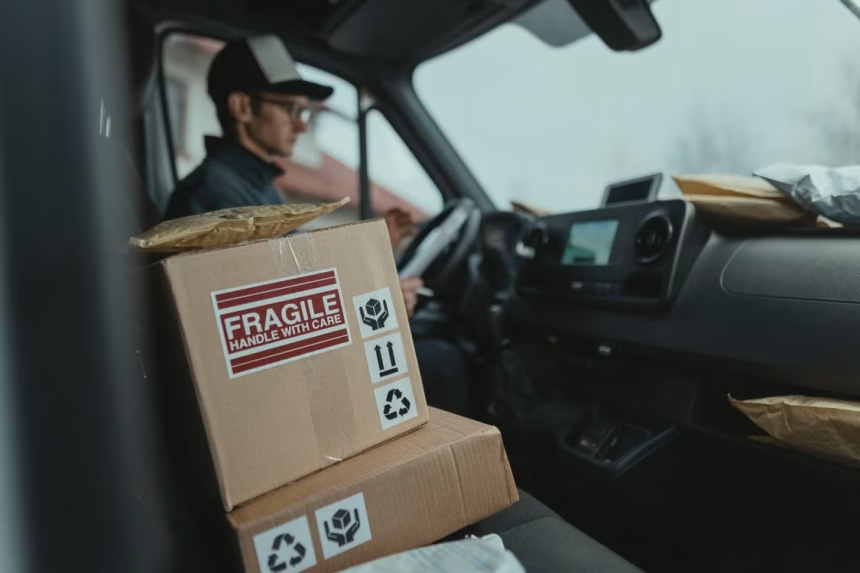
Delivery vehicles are one of the most common types of commercial trucks on the road today, and with the growth of e-commerce, that presence has only increased. UPS accidents — along with crashes involving FedEx, Amazon, and other delivery carriers — present a specific set of legal challenges that differ from a standard passenger vehicle accident, largely because you’re dealing with a large corporation with its own legal and insurance infrastructure, rather than an individual driver.
Why UPS Accidents Are Legally Different
UPS drivers are typically company employees, which means the company can generally be held vicariously liable for a driver’s negligence while on the job. This is different from some other delivery services, like certain gig-economy platforms, where drivers may be classified as independent contractors — a distinction that can significantly affect who is legally responsible after a crash.
Because UPS operates a large corporate fleet, the company:
- Carries substantial commercial insurance coverage, generally far higher than an individual driver’s personal auto policy
- Maintains detailed records on drivers, vehicles, and delivery routes
- Often has an internal claims and legal department that responds quickly after any reported crash
- May have telematics and GPS tracking data documenting vehicle speed, braking, and route history at the time of the crash
This combination of resources means UPS, like other major carriers, is generally well-prepared to defend itself in a claim — which is exactly why having your own legal representation matters.
Common Causes of Delivery Truck Accidents
Delivery drivers operate under time pressure that can contribute to crashes in specific, recurring ways:
- Frequent stops and starts, increasing the risk of rear-end collisions and pedestrian incidents in residential areas
- Distraction from handheld scanners or delivery apps used to log packages
- Time pressure to complete routes quickly, which can lead to rushed driving, illegal parking, or rolling stops
- Limited visibility, particularly when backing out of driveways or narrow streets
- Long shifts, especially during peak seasons like the holidays, which can contribute to driver fatigue
Because delivery trucks operate heavily in residential neighborhoods and near pedestrians, UPS accidents disproportionately involve pedestrians, cyclists, and parked vehicles compared to highway trucking crashes.
What to Do If You’re Involved in a UPS Accident
- Prioritize medical attention. Call 911 if there are injuries, and get checked out even if you feel fine — some injuries, like whiplash or concussions, aren’t immediately obvious.
- Document the scene. Take photos of the vehicles, the UPS truck’s identifying number (usually printed on the vehicle), the location, and any visible damage or injuries.
- Get witness information. Contact details from anyone who saw the crash can be valuable if liability is disputed later.
- Report the crash. Both to police and, separately, to UPS itself — most major carriers have a process for reporting incidents involving their vehicles.
- Avoid giving a recorded statement to UPS’s insurance representatives before speaking with an attorney. Company claims adjusters are trained to minimize payouts, and early statements can sometimes be used against you later.
- Consult a lawyer experienced with delivery truck and commercial vehicle claims. Because UPS has its own legal resources, having representation levels the playing field.
Building a Claim Against UPS or Another Delivery Carrier
An attorney handling a UPS accident case typically investigates:
- The driver’s employment status and history with the company
- Whether the driver was acting within the scope of their employment at the time of the crash
- Vehicle maintenance records for the specific delivery truck involved
- Telematics or GPS data that may show speed, braking, and route information
- Whether route scheduling or delivery quotas may have contributed to unsafe driving
Because delivery companies often have significant insurance coverage, a well-documented claim can account for medical expenses, lost wages, property damage, and pain and suffering — but only if it’s built with the same rigor as a claim against a larger long-haul trucking company.
Why These Cases Still Need Serious Legal Attention
It can be tempting to assume that a crash with a delivery van is less serious than one involving an 18-wheeler, but delivery trucks are still large, heavy commercial vehicles capable of causing significant injury, especially to pedestrians or occupants of smaller vehicles. UPS and similar companies also have experienced legal and claims teams working to minimize their financial exposure, regardless of how the crash occurred. An attorney familiar with delivery vehicle claims can help make sure you’re not out-negotiated by a company with far more resources and experience handling these situations than you have.
Time Limits Still Apply
Just as with other trucking and commercial vehicle accidents, claims involving UPS accidents are subject to state statutes of limitations, and important evidence like dashcam or telematics data may only be retained by the company for a limited period. Reaching out to an attorney soon after the crash gives you the best chance of preserving the evidence your claim depends on.
Most attorneys handling delivery truck and UPS accident claims offer free consultations and work on a contingency fee basis, meaning there’s no upfront cost and no fee unless they recover compensation on your behalf.